
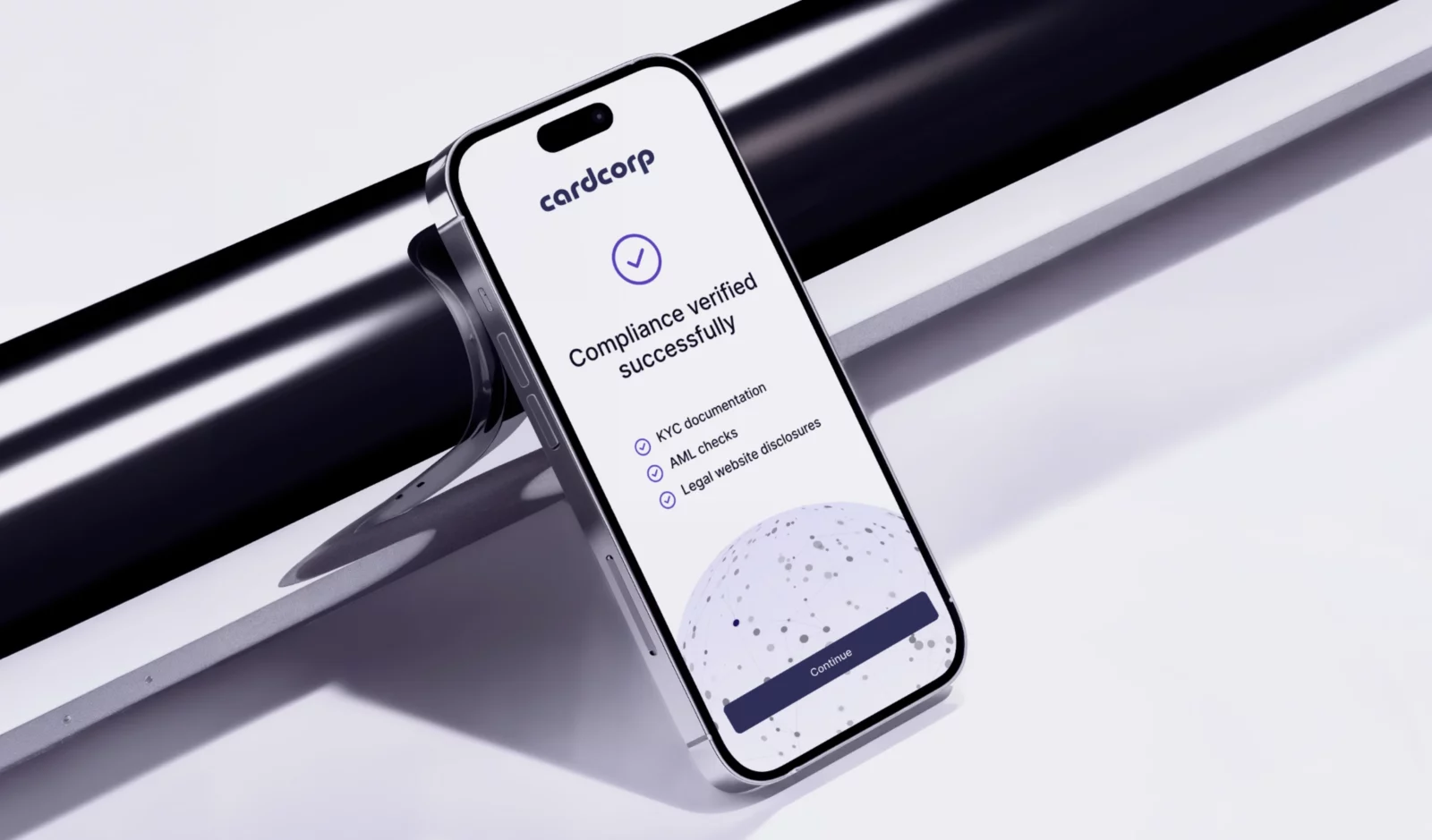
Welcome to the third and final installment of our guide to merchant account approval. In this post, we’ll cover the essentials of KYC and AML compliance, the legal disclosures required on your website, and how to build a lasting relationship with your acquirer for stable, long-term payment processing.
If you haven’t already, we recommend reading Part 1 and Part 2 first to get the context and other important aspects of your business to work on for merchant account approval. Now, let’s dive in.
Before your merchant account is approved, your business must pass an essential step: regulatory compliance. This involves meeting key legal standards like Know Your Customer (KYC) and Anti-Money Laundering (AML). Getting these details right shows payment providers that your business is reliable and trustworthy.
However, approval is just the beginning. Once your merchant account is active, you should shift your focus to building a strong, collaborative relationship with your payment provider. Your long-term success depends on clear communication and transparency as your business grows.
Understand the Regulations
Before a payment provider can process transactions for you, they must assess you under strict rules set by financial regulators in the UK and EU. These rules are entirely separate from the commercial risk assessment of your business. Even if you run a highly profitable, decades-old company, you must still pass these regulatory checkpoints.
Know Your Customer (KYC)
Know Your Customer (KYC) is a mandatory process where financial institutions verify the identity of their clients. For a business, this means the acquirer needs to know exactly who owns and controls the company. To ensure a smooth process, prepare these documents in advance:
- Proof of Identity: Valid government-issued IDs (like a passport or driving licence) for all company directors and major shareholders (beneficial owners).
- Proof of Address: Recent utility bills or personal bank statements showing the home addresses of directors and owners
- Corporate Documents: Your company’s incorporation documents and a clear chart showing the ownership structure.
Organising this information proactively (and making sure that your details are clear and consistent) shows that you run a professional operation and understand the regulatory requirements.
Anti-Money Laundering (AML)
Alongside KYC, acquirers perform Anti-Money Laundering (AML) checks to verify that your business isn’t a vehicle for moving illicit funds.
They will look at where your business is registered and where your directors and target customers are located. If you have a complex ownership structure, be ready to explain it simply. Transparency is your best asset. If you hide details or provide vague answers, the acquirer will simply reject the application rather than take the risk of approving your merchant account.
Get Your Website Disclosures Right
Payment providers don’t just review your paperwork; they also closely examine your website. In addition to checking your e-commerce business is legitimate, Card schemes like Visa and Mastercard and regulatory frameworks require your website to be transparent about who is taking the customer’s payment.
Display Your Legal Details
Your customers (and your acquirer) need to know exactly which company they are dealing with. Therefore, your website must clearly display your legal entity details, usually in the footer or on a contact page. Make sure this information is easy to find:
- Your full registered company name
- Your official company registration number
- Your registered office address
- Clear customer service contact details, including an email and phone number.
These disclosures signal to an acquirer that you understand you are part of a regulated payments ecosystem, and increase your chances of a smooth merchant account approval.
Make Policies Clear and Accessible
Your legal policies must be clear, detailed, and tailored to your business and the regions you serve. Ensure your website includes:
- Terms and Conditions: Clearly identify the company, the governing law, and the jurisdiction.
- Refund and Return Policy: Explain how customers can return items and when they can expect a refund, in line with UK and EU consumer protection laws.
- Privacy and Cookie Policies: Outline how you handle customer data to comply with privacy laws.
- Shipping Policy: Provide realistic delivery timelines for physical goods.
When you prepare these website disclosures correctly, you demonstrate your professionalism and commitment to fair business practices.
Approval Is Just the Beginning
Getting your merchant account approval is a great achievement, and it marks the start of an ongoing relationship with your provider. CardCorp will help you manage this relationship and communicate with your acquirer, especially in regard to compliance and risk.
Why Risk Is Dynamic
Your business will evolve, and you may launch new products, expand to new countries, or change your pricing model. Each time your business changes, you can change the acquirer’s risk exposure.
Many providers use automated systems to scan merchant websites for changes and monitor transaction patterns. A sudden spike in sales volume or a significant change to your business model can trigger an alert. If you make major changes without notice, your acquirer may increase your reserve, or suspend or terminate your account.
Build a Strong Partnership
Successful merchants treat their acquirer relationship as a collaborative partnership. This is especially important for businesses that may be considered higher risk. If your provider stops your payment processing, your cash flow stops instantly.
Communicate Before You Change
The most important rule for managing your merchant account is simple: no surprises.
If you are planning a marketing campaign that will triple your sales, give advance notice. If you are adding a new product category, check first. When you communicate proactively, the acquirer can adjust your account settings accordingly. This transparency reduces friction and builds trust over time.
To guide your application and ongoing acquirer relationship, consult our full Merchant Account Underwriting Checklist.
Partner with CardCorp for Growth
Navigating compliance and managing provider relationships can feel complex. Choosing a payment partner who understands the needs of your business makes a significant difference, both before and after your merchant account approval.
CardCorp is dedicated to supporting e-commerce merchants with straightforward, stable solutions. We help you get your merchant account set up quickly. Our team provides step-by-step support through the application process and payment gateway integration, as well as ongoing guidance to help you stay compliant.
As a merchant, maintaining a positive, cooperative relationship with your acquirer is vital for long-term payment stability and business growth. With CardCorp, you don’t have to manage this alone! We handle the merchant-acquirer relationship on your behalf, ensuring smooth communication, fast issue resolution, and proactive support.
By preparing thoroughly and communicating clearly, you set your business up for success while CardCorp manages the critical connections behind the scenes, so you can focus on growing your business and delivering a seamless experience to your customers.